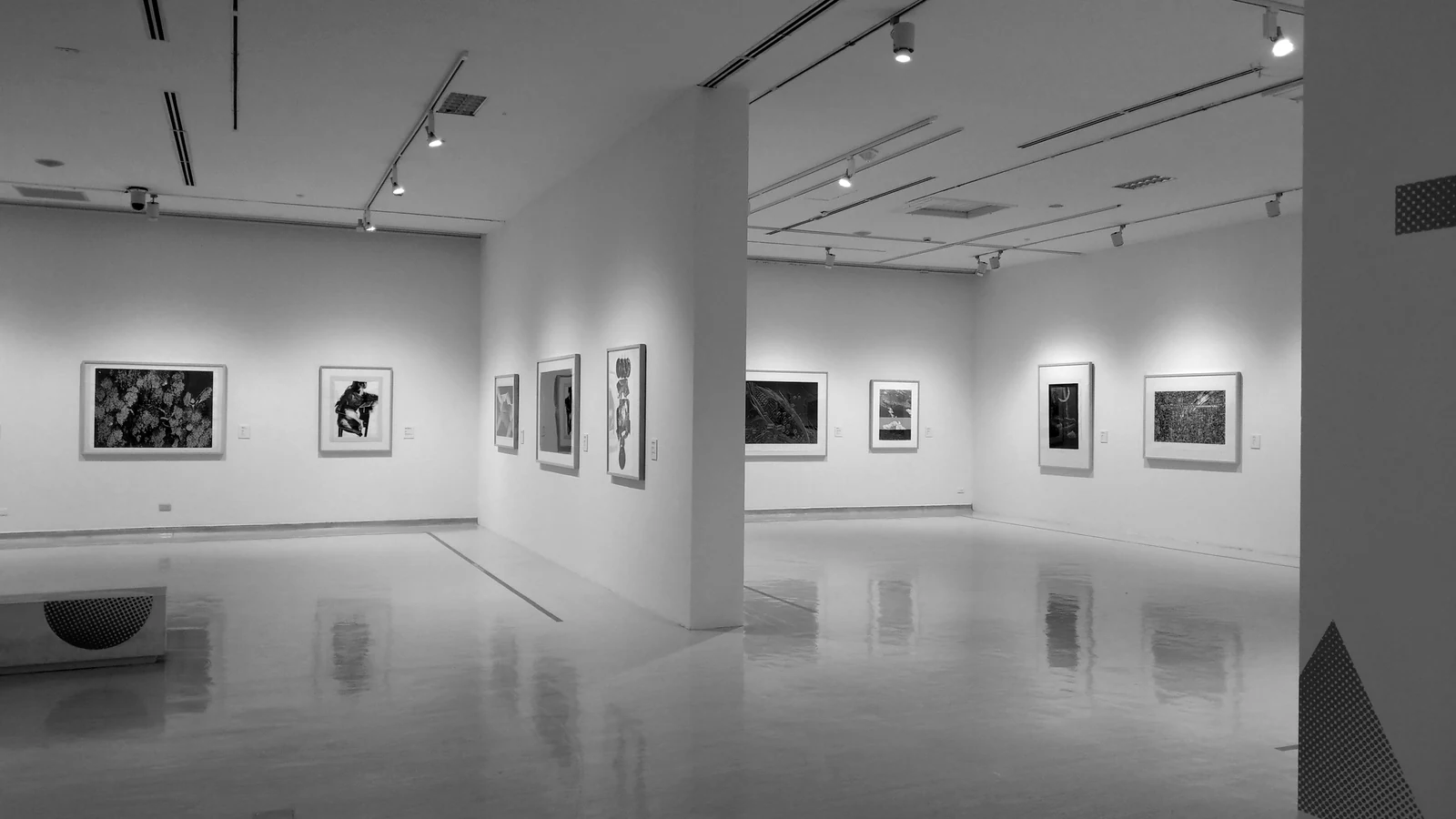
Begin with different ways of encountering art
An art scene is more than a collection of destinations. Museums, independent artists, studios, educators, collectors, and public programs create different conditions for encountering work. A visitor learns more by noticing those differences than by trying to see every location in one afternoon.
The Blanton Museum of Art is part of The University of Texas at Austin and a major point of entry into the city's visual arts. The Contemporary Austin offers two distinct settings: the downtown Jones Center and Laguna Gloria, its art-in-nature site. Compare how an interior exhibition and work encountered across a landscape change your attention.
Choose fewer encounters and allow time to look. Read the exhibition's own account, then notice where your experience supports or complicates it. Record an artist, material, or question you want to return to. That gives the visit a life beyond the itinerary.
Include the histories that shape the city
Mexic-Arte Museum presents work connected to Mexican, Latinx, and Chicanx art and culture. The George Washington Carver Museum, Cultural and Genealogy Center preserves and exhibits African American history, material culture, and aesthetic expression. Their missions introduce different questions from those of a general art survey.
Approach each institution on its own terms. Read the current program and consider the context the organization provides. Avoid treating distinct histories as interchangeable examples of Austin creativity. The value of a visit includes learning what a familiar description of the city has left out.
These are editorial references, not claims of affiliation with Velaharra. Check each institution's current exhibition, access, and visiting information before planning a visit or proposing a professional inquiry.
Move from viewing to understanding a practice
A studio encounter can reveal process and uncertainty that a finished exhibition cannot. Use the Austin Studio Tour's official information to research its current edition and participating artists. Follow the published arrangements; an artist's studio is also a working environment.
Ask a question about the work in front of you. What is being developed? Which material decision matters? What changed between one piece and another? Give the artist room to explain the practice without requiring every conversation to become a purchase or commission.
Christopher Durst's photography and current abstract painting inform Velaharra's interest in this sustained attention. His essay Stay Close to the Work explains how repeated encounters can turn familiarity into useful understanding.
Turn research into a responsible commission
For a brand, hotel, or developer, visiting art is a starting point for learning, not a substitute for a commissioning process. A work encountered in a museum may help clarify a question without making that artist the right choice for the assignment.
Define the setting, audience, resources, and intended life of a commission. Then research practices that belong in that conversation. Our guides to choosing a creative collaborator and planning public-facing art explain the decisions that follow.
Do not reproduce work or use an artist's name to imply involvement without permission. A research reference, an invitation, and a confirmed collaboration are separate stages. Keep that distinction clear in presentations and public communications.
Leave with a reason to return
Build a personal record of the work that held your attention and why. Follow an artist's own updates, return for another exhibition, or read further about an unfamiliar practice. The aim is a developing understanding of Austin art rather than a completed checklist.
For a broader view, continue with Austin's film culture, music community, and creative participation. Organizations considering a commission can explore Velaharra Partnerships with a clearer sense of the creative question they want to pursue.