Find a setting where your attention has somewhere to go
Austin's creative life can be encountered through many kinds of places: performances, studios, exhibitions, talks, workshops, and informal conversations. A useful starting point is the kind of exchange you are seeking. You may want to encounter new work, develop a skill, discuss a project, or establish relationships across disciplines.
That intention helps you choose where to spend time. A large public event can introduce a broad range of work. A smaller recurring format may allow a conversation to develop over several visits. Both can have a place in a creative life.
Look at the format, not only the description
Ask what actually happens when people gather. Is there a shared subject? How are newcomers welcomed? Is the exchange facilitated? Do participants encounter one another’s work? A broad promise of connection tells you little about the conditions in which that connection might develop.
The Contemporary Austin’s documented 2020 Crit Group offers a historical example of a specific format: recurring critique, professional discussion, and attention to work in progress. It is not a statement about current enrollment or a Velaharra affiliation. Its relevance here is the clarity of the activity around which relationships developed.
Notice how people contribute
A useful community makes room for different kinds of participation. Someone may offer a thoughtful question, practical knowledge, an introduction with permission, or consistent attention to another person’s work. Contribution does not always require public confidence or a large professional network.
In a hypothetical interdisciplinary gathering, a quiet participant might make the most useful observation about a project because they have followed its development over several months. A setting that values only visibility can miss that kind of contribution. Look for evidence that people are heard, not merely present.
Make a first visit purposeful and open
Choose a program because its subject or format interests you, then give yourself time to experience it. Read the current details, understand how attendance works, and arrive prepared to engage with what is happening. A thoughtful question about the work can be a better beginning than a general introduction about your ambitions.
Afterward, note what made the setting useful. Did you encounter a perspective that stayed with you? Was there room for conversation? Could you imagine returning and contributing? These observations help you build a pattern of participation suited to your practice.
For a hypothetical designer new to Austin, a first month might include one public conversation, a visit to an exhibition, and a return to the format that prompted the most useful exchange. This is an example of a manageable approach, not a prescribed calendar or a claim about current local programs.
Keep career promises in perspective
Community can support a career, but no group can guarantee that every participant will receive a commission, an introduction, or representation. Evaluate what is actually offered and how it is delivered. If there are paid benefits, understand what is included, what is separate, and what depends on selection or availability.
Give the relationship time without suspending judgment indefinitely. After several encounters, ask whether the exchange is useful, whether you can contribute, and whether the format fits your practice. It is reasonable to choose a different setting when the answer is no.
Let familiarity grow through contribution
Returning gives people a chance to recognize your interests and your work. You can contribute by asking a considered question, sharing a relevant resource with permission, or following through on an offer. Small, reliable acts make professional relationships easier to sustain.
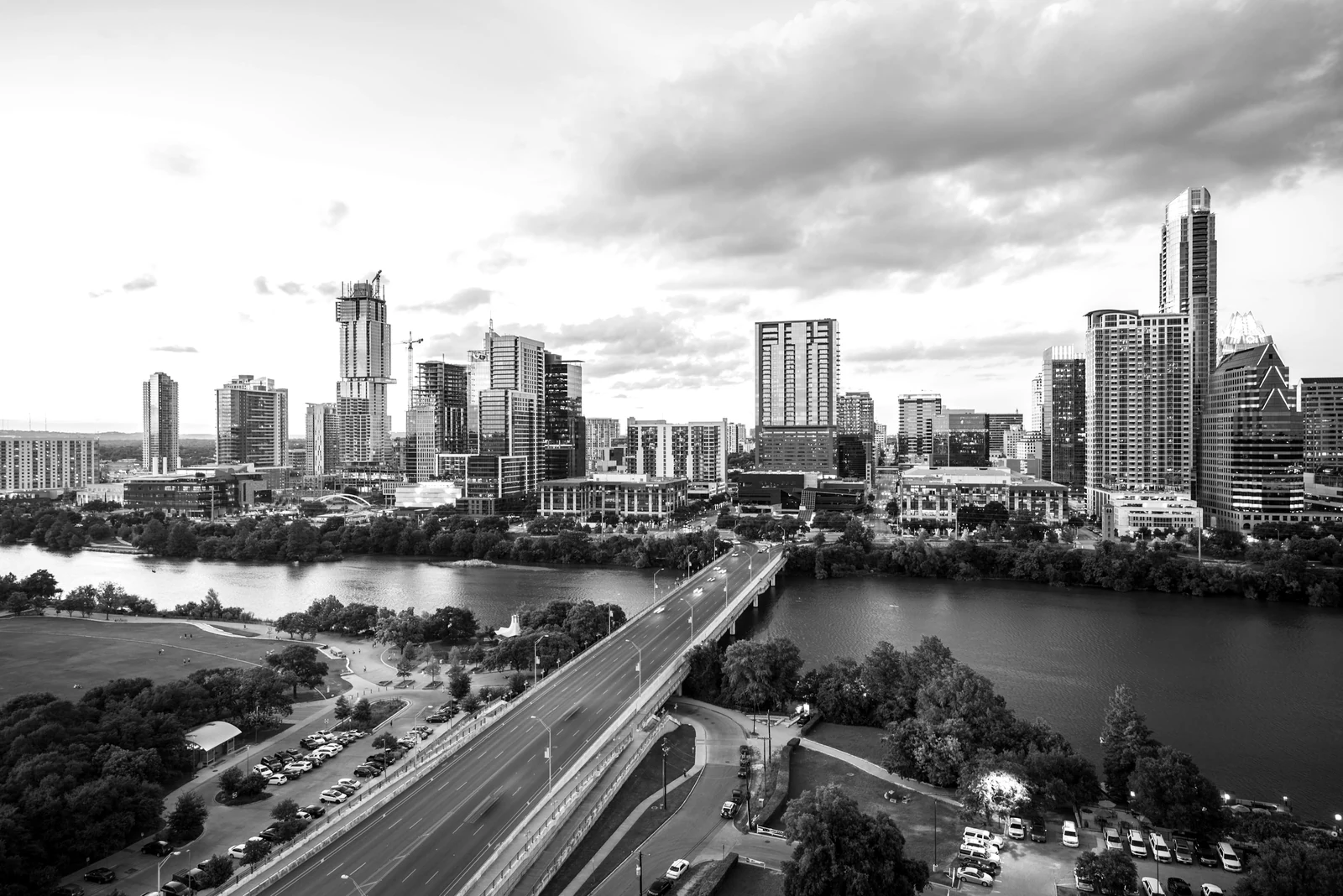
Velaharra's Austin base gives its Cultural Platform a local starting point within a broader international direction. Participation should have a clear value in the present: the work encountered, the exchange made possible, and the relationships given time to develop. The membership guide explains how to assess a particular offer before committing.
Velaharra’s place in that conversation
Velaharra’s Cultural Platform is designed to connect creatives with one another and with people who support, commission, produce, and champion work. Austin is the starting point, with international relationships intended to develop over time. The planned network should not be mistaken for fully operating chapters in every named city.
Our idea of Creative Proximity depends on sustained participation and meaningful exchange. If you are exploring the platform, tell us where you are based, what you make, and what kind of participation would be useful. That is a better starting point than assuming every creative needs the same community experience.