A reason to spend time in a place
The most compelling cultural programs give a property another way to be experienced. A guest may arrive for a room and discover a musician. A neighbor may come for a conversation and return for the restaurant. The place becomes associated with an encounter worth remembering.
That possibility begins with hospitality itself: a clear invitation, a prepared room, and attention to how people feel on arrival. Cultural programming works best when the operating team and creative contributors can see how their responsibilities support the same experience.
Use the building as a constraint and a resource
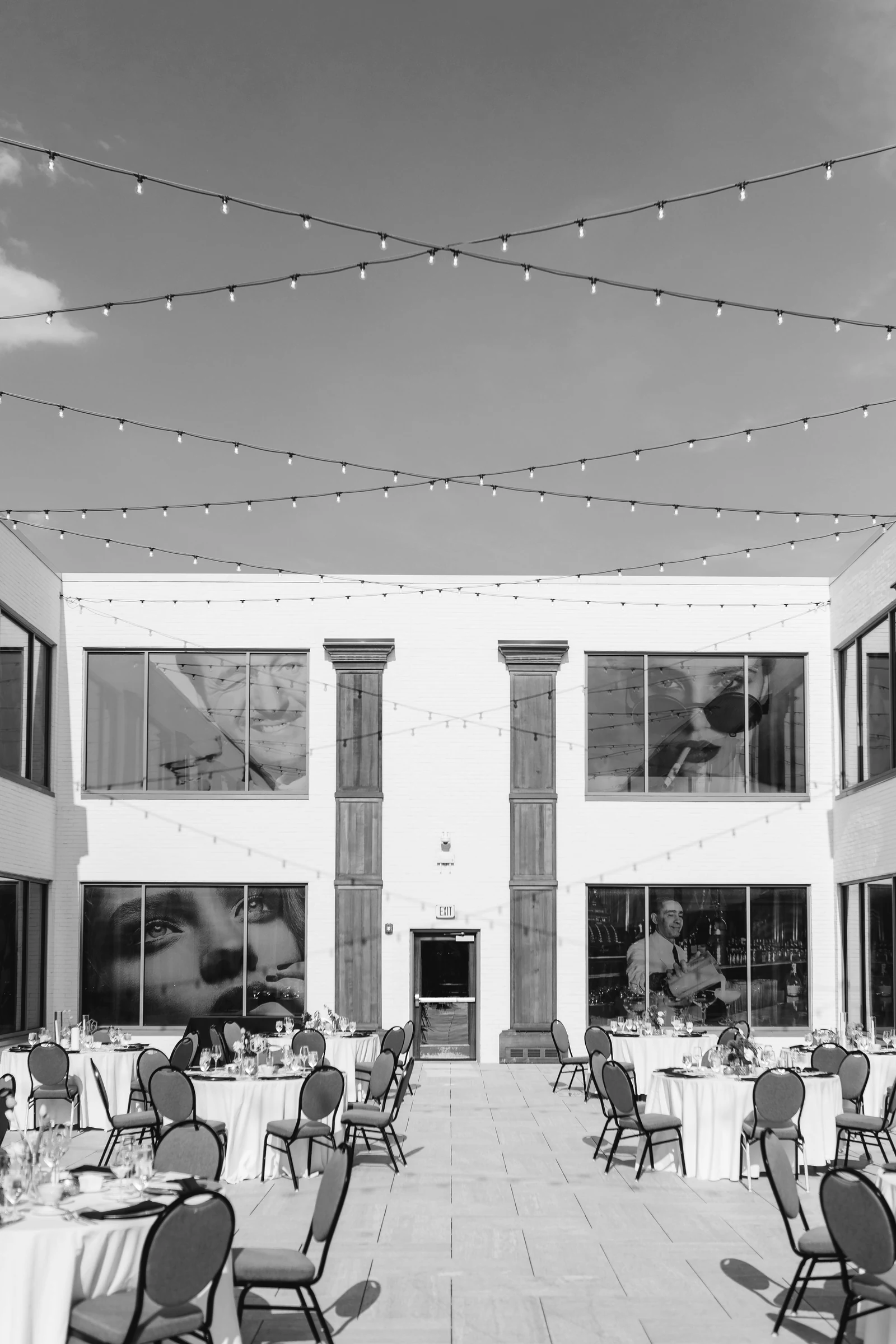
A courtyard, listening room, lobby, screening space, or restaurant brings different possibilities. Consider sound, lighting, seating, installation access, circulation, and the ordinary work happening around the program. A beautiful room can be a poor performance environment. A modest space can support an excellent conversation when it is prepared with care.
Invite the operating team into the planning process early. Housekeeping, security, food and beverage, and front-of-house staff will know things the creative brief may miss. Their role is not to narrow the ambition automatically. It is to help shape an idea that can actually work inside a functioning property.
Choose a recurring proposition before a long calendar
A hypothetical Austin hotel might begin with a small series pairing a musician’s work with a conversation about the practice behind it. The proposition is specific enough for guests to understand, while allowing different contributors to bring their own perspective. It is easier to learn from a coherent pilot than from six unrelated events assembled to fill dates.
The format should leave room for the creative’s work rather than treating the contributor as atmosphere. Agree the fee, rehearsal or preparation needs, technical support, introduction, and documentation. If the property wants music primarily as background to service, say that plainly so the assignment can be evaluated on its actual terms.
Walk through an evening before putting it on sale
Take a hypothetical listening session in a small hotel lounge. Start at the moment a visitor encounters the invitation. It should explain the music, the duration, whether booking is needed, and what attendance involves. At arrival, a member of staff should know where to direct them and how the room will be used.
Then consider the artist's day. Agree arrival and preparation time, the sound check, the running order, and a named person who can resolve practical questions. Plan where equipment will go and how the room returns to ordinary use afterward. A calm sequence supports both the performance and the surrounding operation.
Finally, decide how the evening closes. Visitors can be offered a clear way to hear about another edition. The artist can receive the agreed documentation and a short follow-up. Staff can note what worked while the experience is fresh. These modest acts create the conditions for continuity.
Plan the experience beyond the announcement
Map how a person hears about the program, arrives, finds a seat, understands what is happening, and leaves. Check the same journey for someone with access needs. Then plan the contributor’s experience: arrival, load-in, a named contact, a workable sound check, payment, and a clear finish.
After a pilot, gather feedback from contributors, participants, and staff. Ask what created friction as well as what was enjoyed. Attendance can indicate interest, but repeated participation, operational feasibility, and the quality of the creative relationship help determine whether the format deserves another edition.
Use a pilot to establish a sustainable rhythm
For a first series, select a scale the team can repeat with care. A quarterly program delivered well may serve a property better than a weekly commitment it struggles to maintain. The appropriate frequency depends on staff capacity, audience interest, contributor availability, and the resources required for each edition.
Review the pilot from three positions: the visitor, the contributor, and the host. Ask what should be retained and which adjustment would most improve the next edition. If arrival felt uncertain, improve the invitation and welcome. If the room supported listening beautifully, preserve that quality as the program grows.
Our cultural event production guide follows these operational choices in more detail. The larger aim is to make creative work part of a property's character through a repeatable, thoughtful experience.
How Velaharra can help
Velaharra’s Advisory work can establish the cultural direction, program criteria, and a practical sequence of decisions. Partnerships can then develop talent sourcing, commissions, music programs, exhibitions, dinners, or other experiences under a separate scope. This keeps the strategy distinct from the cost of delivering it.
For a hotel, the useful starting material is simple: the location, the intended audience, available spaces, operating restrictions, the ambition for the program, and a realistic investment range. We begin in Central Texas, with an international perspective that is meant to deepen the local proposition rather than replace it with a generic idea of sophistication.